

Innovation & Production
From Farm to Family: How a Carton of Inyange Milk Gets to You
Farmers and cooperatives, collection centres, processing, a promise of quality, and a carton in your fridge. The journey, step by step, from what Inyange and the press have published.
Inyange Editorial Team
· 4 min read
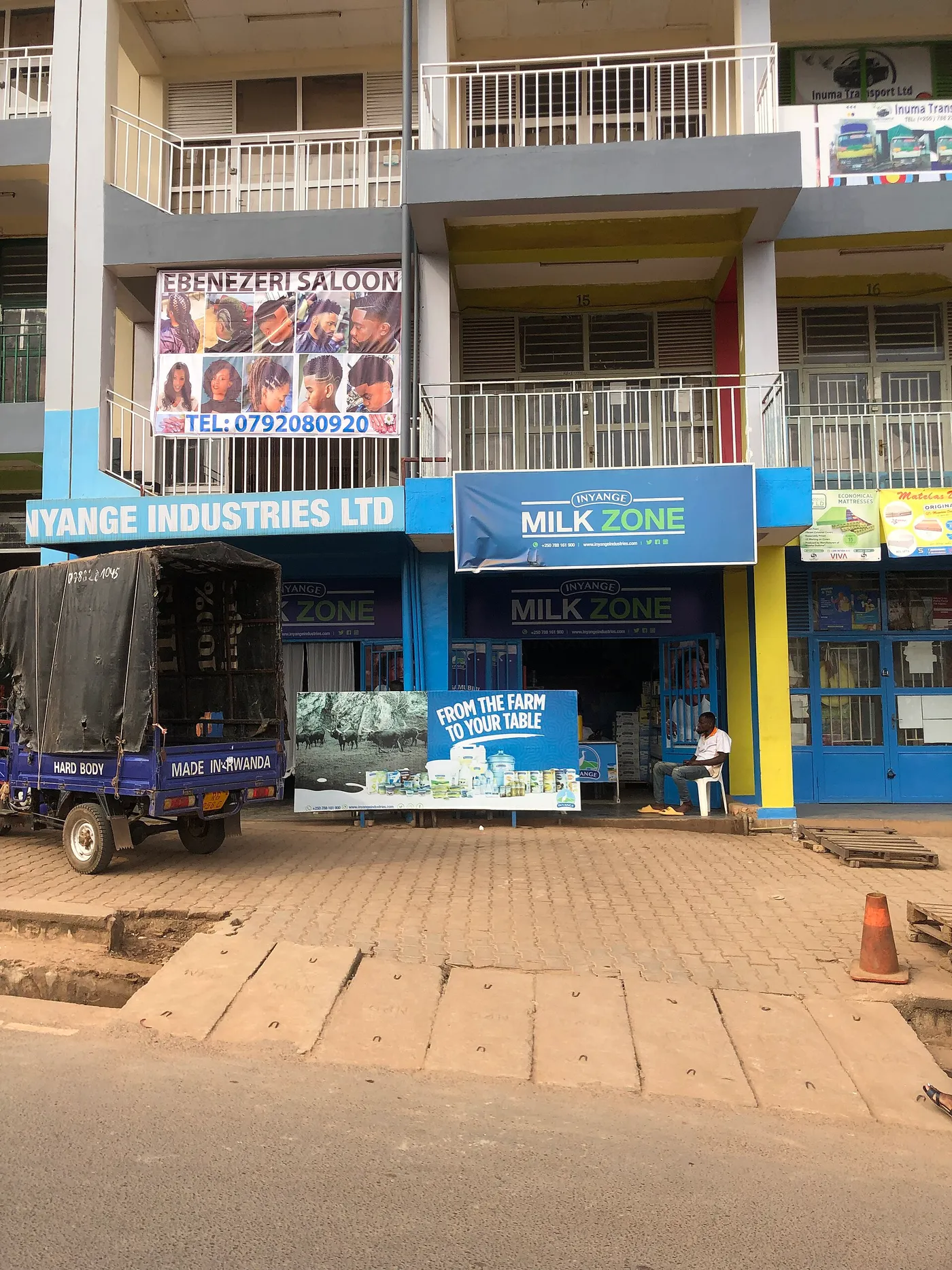
Every carton begins on a farm. The news reports and company materials collected in this publication show Inyange working with dairy farmers and cooperatives to bring milk in. This is that journey in order.
1. The farm
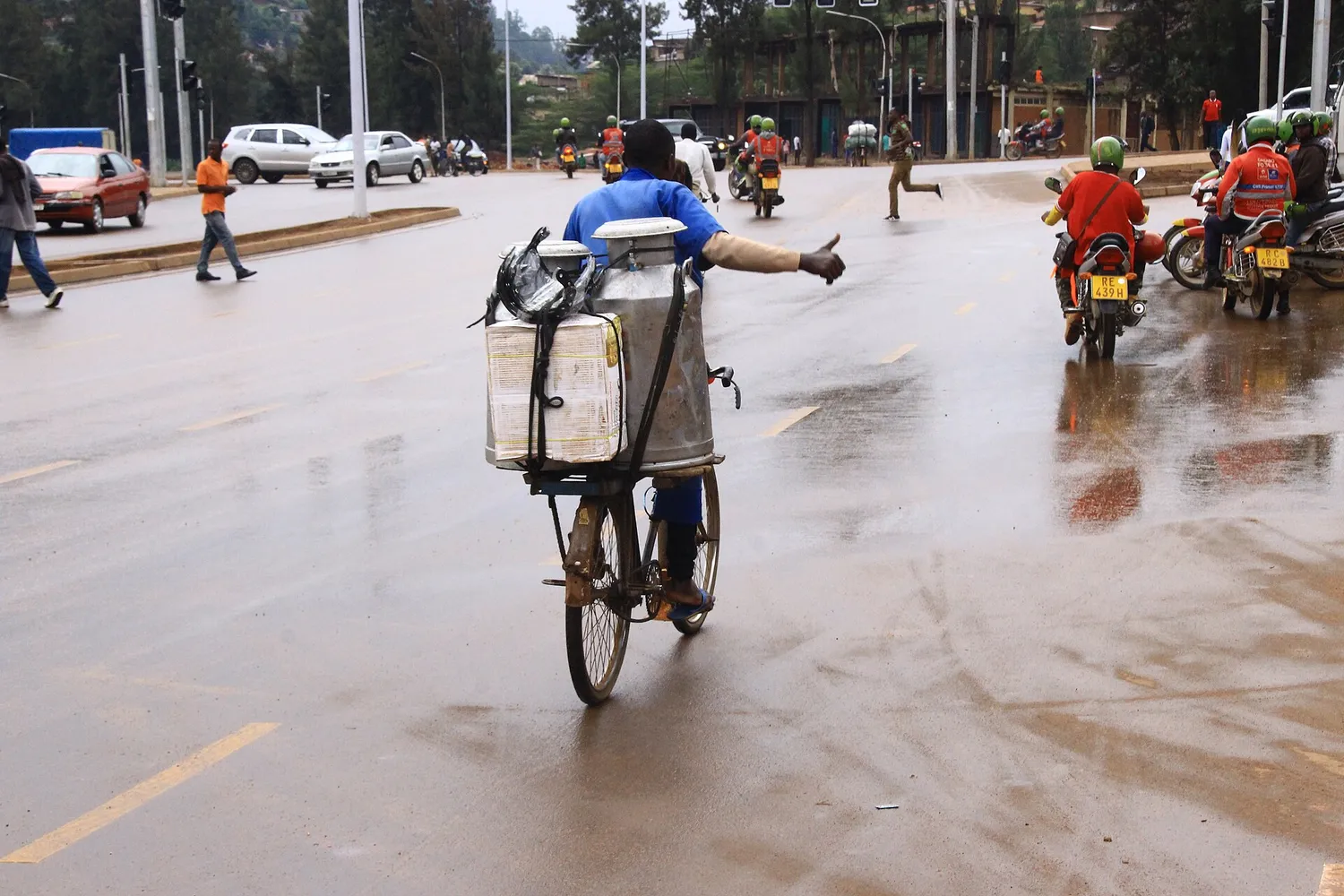
The milk comes from farmers across Rwanda’s milk basins. In 2010 the company said it worked with RARDA and Girinka farmers, and in 2022 it began signing supply contracts with dairy farmers in Nyagatare and neighbouring districts. The Eastern Province holds nearly 70% of Rwanda’s cattle, according to DairyNews.
2. The collection centre
Milk is gathered at collection centres, like the 15 in Nyagatare reported in 2022 or the Mukamira centre in Nyabihu, which Inyange took over in 2016. The company says its collection rose from 3,000 litres a day in 2009 to 200,000 litres a day by 2020. A close, reliable outlet matters to farmers who would otherwise sell to middlemen for far less.
3. The plant
Inyange processes milk at its Masaka plant in Kigali and, since 24 July 2024, at its Milk Powder Plant in Nyagatare. The company’s FAQs describe the powder process in four steps: raw milk is collected from local farmers, pasteurised and processed with advanced machinery, dried into powder while retaining its nutrients, and packaged in a hygienic environment.
4. The promise of quality
The company says it maintains high quality from raw material procurement to delivery of the final product, and describes its production facilities as modern and hygienic. Its launch release lists certifications from the Rwanda Standards Board, Rwanda FDA, FSC 22000, ISO 22000 and Halal certification standards.
5. The table
Inyange UHT milk is sold in 500 mL, 1 L and 3 L cartons, and the company’s website points customers to a Milk Zone locator, which is where the photograph above comes from. The company’s guidance is to refrigerate UHT milk at 4 to 8°C after opening and to finish it within three to four days.
Share story
Sources
- 01 About Inyange Industries (opens in a new tab)
Inyange Industries
- 02 Inyange Industries: products, Milk Zone and newsroom (opens in a new tab)
Inyange Industries
- 03 Inyange MPP launch press release, 24 July 2024 (opens in a new tab)
Inyange Industries
- 04 Inyange MPP launch FAQs (opens in a new tab)
Inyange Industries
- 05 Rwanda to Increase Milk Production By 34% to Satisfy Market Demand (opens in a new tab)
AgriFocus Africa, 5 December 2022
- 06
- 07 Inyange Industries Launches Rwanda’s First Milk Powder Plant (opens in a new tab)
DairyNews, 29 July 2024
- 08 File:Inyange milk zone.jpg (photograph, CC BY 4.0) (opens in a new tab)
Wikimedia Commons, UWIMPUHWE Va
Keep reading
 Innovation & Production
Masaka: The Plant Built to Grow Beyond Rwanda
In July 2010, months after the new Masaka plant opened, Inyange was already looking past the East African Community, with a tenfold jump in capacity behind it.
Read more Our Heritage
The Inyange Story: From Milk and Yoghurt to a Home in Masaka
A company that began in 1997 with pasteurised milk and yoghurt to bring order to an informal market for farmers, added mineral water in 2001, and built a new plant when demand outgrew the old one.
Read more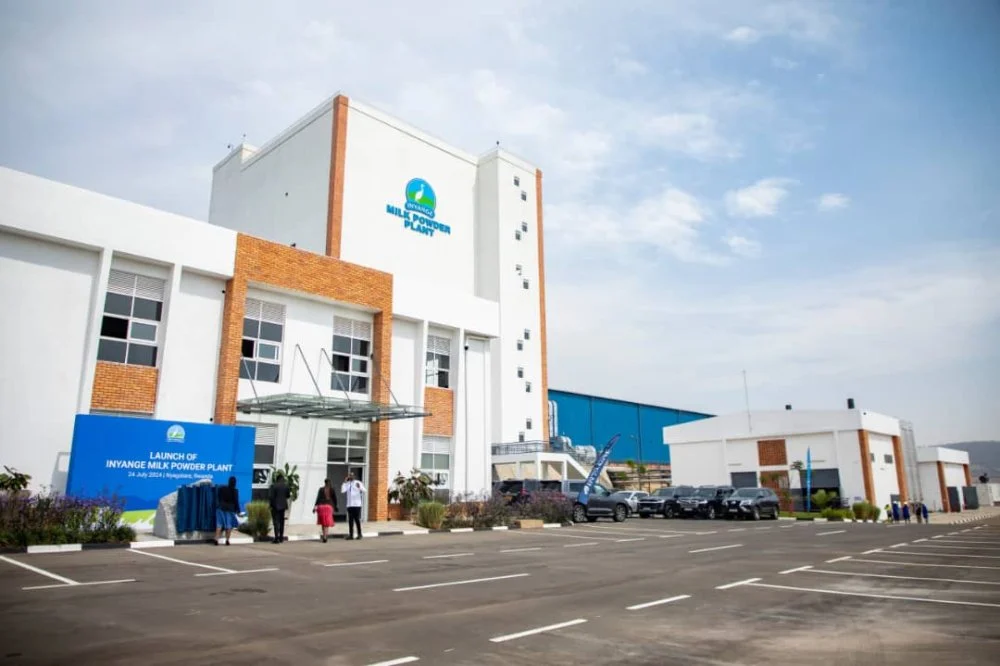 News & Milestones
Rwanda’s First Milk Powder Plant Opens in Nyagatare
On 24 July 2024 the Prime Minister inaugurated Inyange’s Milk Powder Plant, built to process 650,000 litres of milk a day in the heart of Rwanda’s cattle country.
Read more
Questions or corrections?
Spotted something we should fix, or have a story from the Inyange family? Tell us.